
Nutrition for Your Hormones: What to Eat for Balance and Vitality
Learn how nutrition affects hormone balance. Discover foods that support estrogen, testosterone, thyroid, and insulin with guidance from Soluna Vitality.
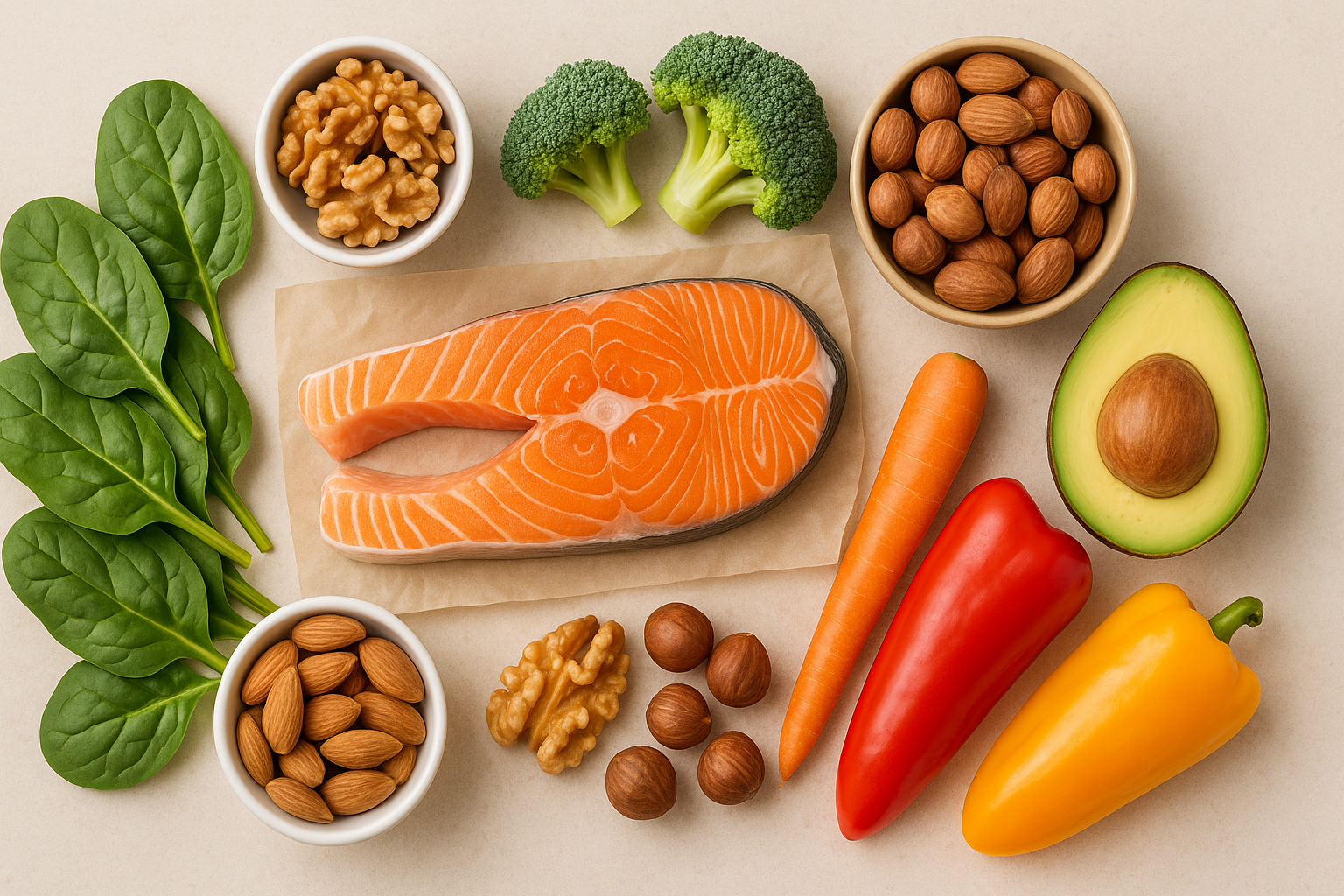
What you eat matters—not just for weight or energy, but for your hormones. Food provides the raw materials your body needs to produce, transport, and metabolize every hormone, from estrogen and testosterone to cortisol and insulin.
When nutrition is optimized, hormones can function in harmony. When it’s lacking? Fatigue, weight gain, mood swings, and metabolic dysfunction often follow.
This post explores the nutrition-hormone connection and offers evidence-based strategies to support hormonal balance through your diet.
The Foundation: Macronutrients and Hormones
Protein
Protein is essential for:
- Hormone synthesis (including thyroid hormones and peptide hormones like insulin and growth hormone)
- Neurotransmitter production (dopamine, serotonin)
- Blood sugar stability (by slowing carbohydrate absorption)
Aim for 0.7–1 gram of protein per pound of body weight daily, especially if you’re active or over 40. Quality sources include eggs, poultry, fish, lean red meat, legumes, and dairy.
Fat
Hormones like estrogen, progesterone, testosterone, and cortisol are made from cholesterol, a type of fat. Cutting fat too low can impair steroid hormone production.
Prioritize:
- Monounsaturated fats: olive oil, avocados, almonds
- Omega-3 fatty acids: wild salmon, sardines, walnuts, flaxseed
- Saturated fats in moderation: butter, coconut oil, pasture-raised animal fats
Avoid trans fats and highly processed seed oils, which can promote inflammation.
Carbohydrates
Carbs influence insulin—a master metabolic hormone. Refined carbohydrates cause rapid blood sugar spikes, driving insulin resistance over time. In contrast, fiber-rich, low-glycemic carbs support steady energy and hormonal stability.
Choose: vegetables, legumes, whole grains, starchy tubers Limit: white bread, pastries, sweetened beverages, ultra-processed snacks
Food isn’t just fuel—it’s information for your hormones.
Key Nutrients for Hormonal Health
Zinc
Zinc supports testosterone synthesis, ovulation, and thyroid hormone conversion. Deficiency is common, especially in plant-based diets.
Sources: oysters, beef, pumpkin seeds, chickpeas, lentils
Magnesium
Magnesium is involved in over 300 enzymatic reactions, including cortisol regulation, blood sugar control, and progesterone production.
Sources: dark leafy greens, almonds, dark chocolate, avocado
B Vitamins
B6, B12, and folate are essential for hormone metabolism, neurotransmitter synthesis, and methylation (a process that helps detoxify excess hormones).
Sources: eggs, meat, fish, fortified nutritional yeast, leafy greens
Vitamin D
Vitamin D functions more like a hormone than a vitamin. It influences insulin sensitivity, immune function, and sex hormone balance.
Sources: sunlight, fatty fish, fortified foods, and supplements (if deficient)
Iodine and Selenium
Both are critical for thyroid hormone production and conversion. Iodine is needed to synthesize T4, while selenium converts T4 to active T3.
Sources: seaweed, eggs, Brazil nuts (selenium), fish, iodized salt
Foods That Support Specific Hormones
For Estrogen Balance
Cruciferous vegetables (broccoli, kale, Brussels sprouts, cauliflower) contain indole-3-carbinol, which supports healthy estrogen metabolism and detoxification through the liver.
Flaxseeds contain lignans, which have mild estrogen-modulating effects and may support hormone balance in perimenopause and postmenopause.
For Testosterone Support
Zinc-rich foods, quality proteins, and healthy fats support testosterone synthesis. Avoid excessive alcohol and sugar, which can lower testosterone and impair liver clearance.
For Cortisol Regulation
Blood sugar stability is key. Eating regular, balanced meals with protein and fat helps prevent cortisol spikes. Magnesium and vitamin C (citrus, bell peppers) support adrenal health.
For Thyroid Function
Include iodine (seaweed, fish), selenium (Brazil nuts), and zinc. Avoid excessive raw goitrogenic vegetables (like raw kale or cabbage) if you have hypothyroidism—cooking reduces their thyroid-blocking effects.
For Insulin Sensitivity
Focus on fiber, protein, and low-glycemic carbohydrates. Apple cider vinegar before meals, cinnamon, and berberine (a supplement) have all been shown to support blood sugar control. These strategies are especially important for women with PCOS, where insulin resistance is a primary driver.
Sample Hormone-Supportive Meal Plan
Breakfast
- Scrambled eggs with spinach and avocado
- Side of sauerkraut or kimchi for gut health
Lunch
- Grilled salmon over a bed of mixed greens
- Quinoa or roasted sweet potato
- Olive oil and lemon dressing
Snack
- Handful of almonds and a small apple
- Herbal tea (nettle or spearmint for hormone balance)
Dinner
- Grass-fed beef or tempeh stir-fry
- Broccoli, bell peppers, and bok choy
- Brown rice or cauliflower rice
Foods to Minimize or Avoid
- Refined sugar and flour: spike insulin, promote inflammation
- Alcohol: disrupts estrogen metabolism, impairs sleep, raises cortisol
- Highly processed foods: often contain inflammatory seed oils and additives
- Excessive caffeine: may elevate cortisol if overused
Moderation is key—perfection isn’t the goal. Focus on crowding out processed foods with nutrient-dense whole foods.
Should You Supplement?
In some cases, diet alone isn’t enough—especially if you have absorption issues, dietary restrictions, or confirmed deficiencies. Evidence-based supplements for hormone health may include:
- Omega-3 fish oil
- Vitamin D3 + K2
- Magnesium glycinate or threonate
- Zinc and selenium
- Adaptogenic herbs (ashwagandha, rhodiola, maca)
At Soluna Vitality, we offer access to professional-grade supplements through Fullscript, so you can be confident in what you’re taking.
The Bottom Line
Food is one of the most powerful tools you have for hormone health. By choosing nutrient-dense proteins, healthy fats, fiber-rich carbs, and targeted micronutrients, you can support every hormone in your body—from your thyroid to your sex hormones to your stress response.
At Soluna Vitality, we integrate nutrition guidance into our comprehensive hormone optimization programs. Whether you need testing, personalized therapy, or lifestyle coaching, we’re here to help you feel your best.
Schedule a consultation to learn how nutrition can transform your hormonal health.
References
- Stachenfeld NS. J Appl Physiol. 2014;116(5):534–542.
- Saldanha CJ et al. Front Neuroendocrinol. 2009;30(3):299–306.
- Prasad AS. Mol Med. 2008;14(5-6):353–357.
- Volpe SL. Adv Nutr. 2013;4(3):378S–383S.
- Holick MF. N Engl J Med. 2007;357(3):266–281.